
Adenovirus (ADV) & Rota Virus Antigen Rapid Test Kit
Catalog No.:
Description
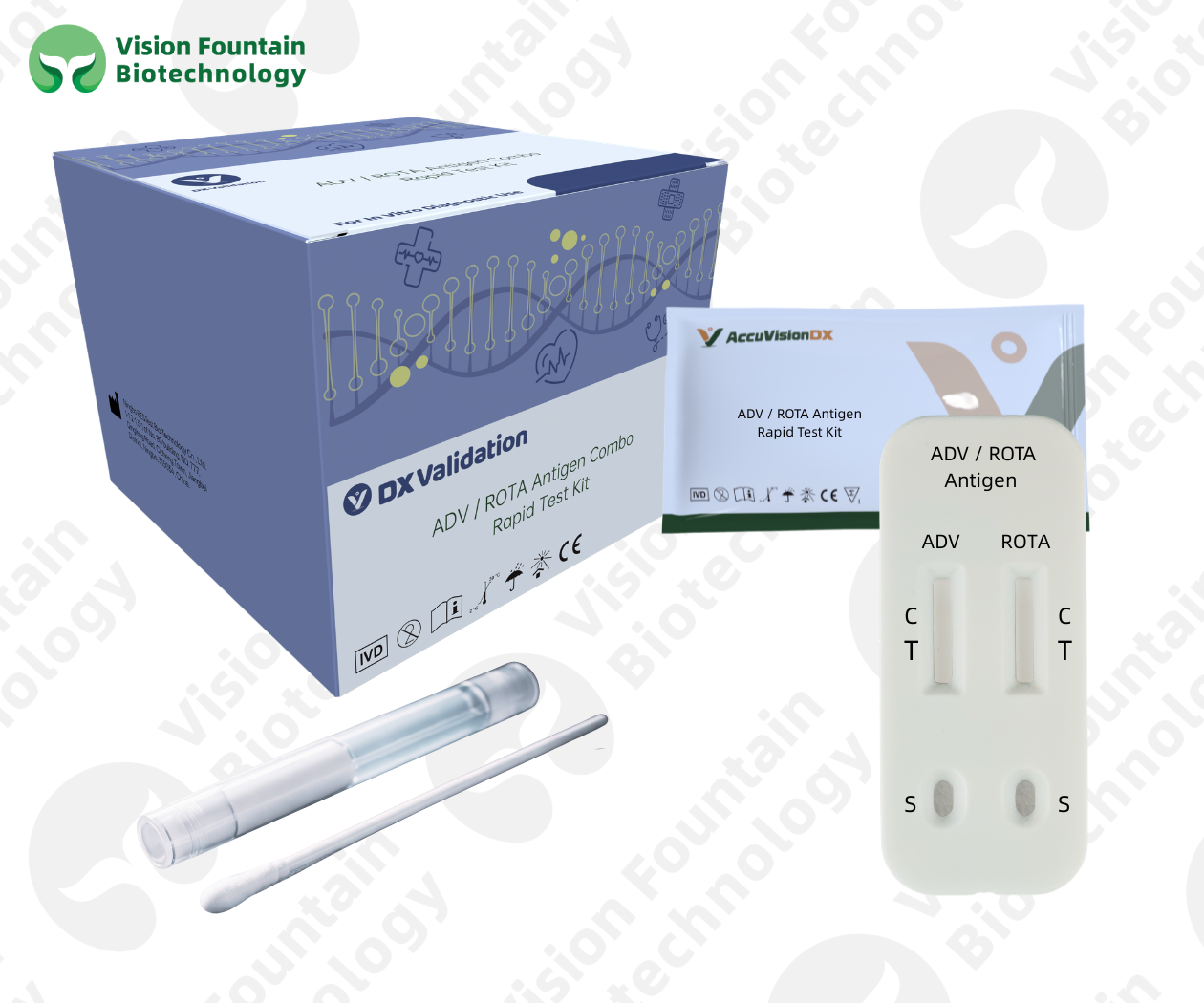
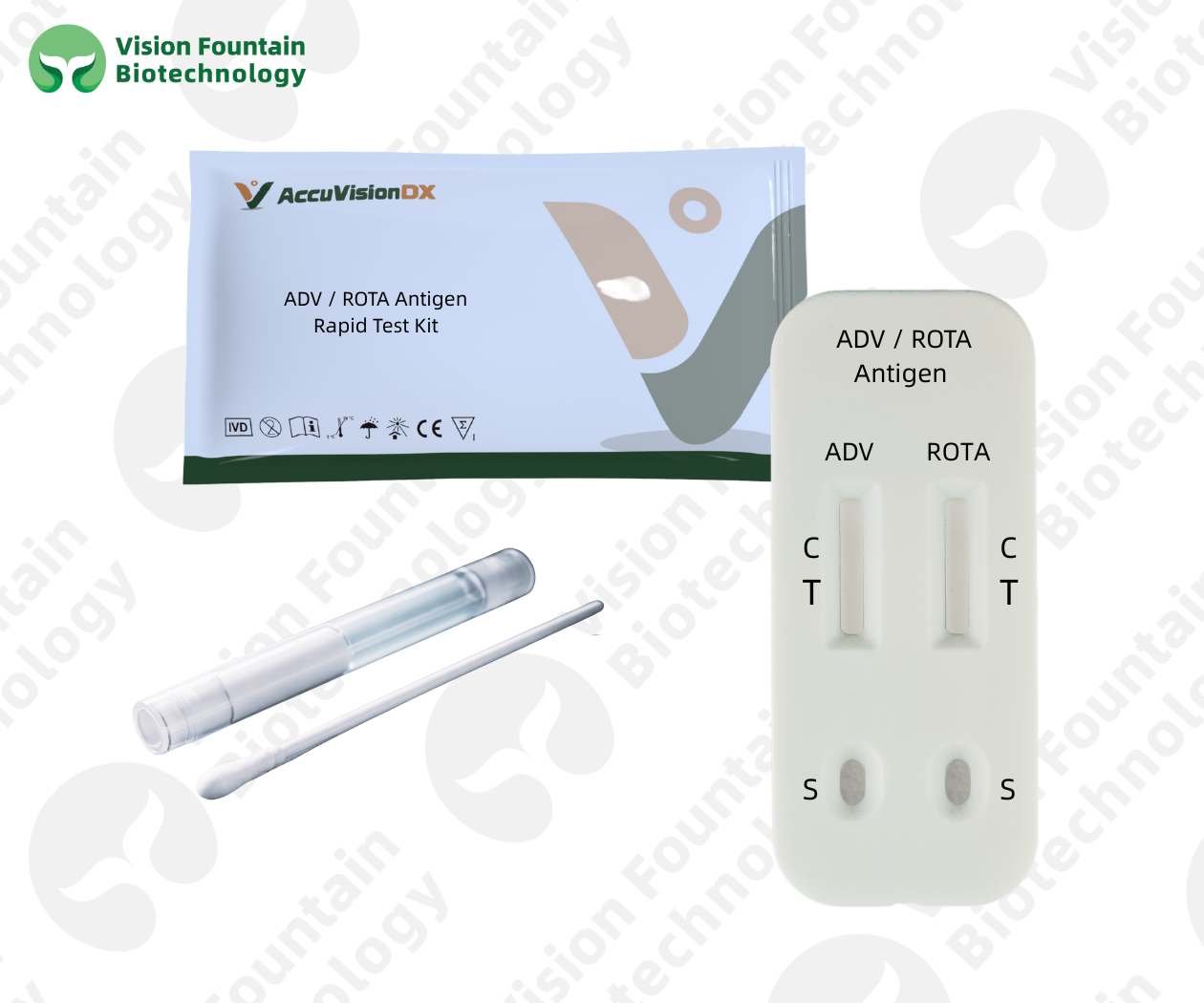
Rota/Adeno Rapid Test Kit is an in vitro qualitative immunochromatographic assay for the rapid detection of adeno & rota virus antigens in human stool specimen. The test results are intended to aid in the diagnosis of rota virus infection and to monitor the effectiveness of therapeutic treatment.
| Certificate | Thailand TFDA |
|---|---|
| Specimen | Fecal |
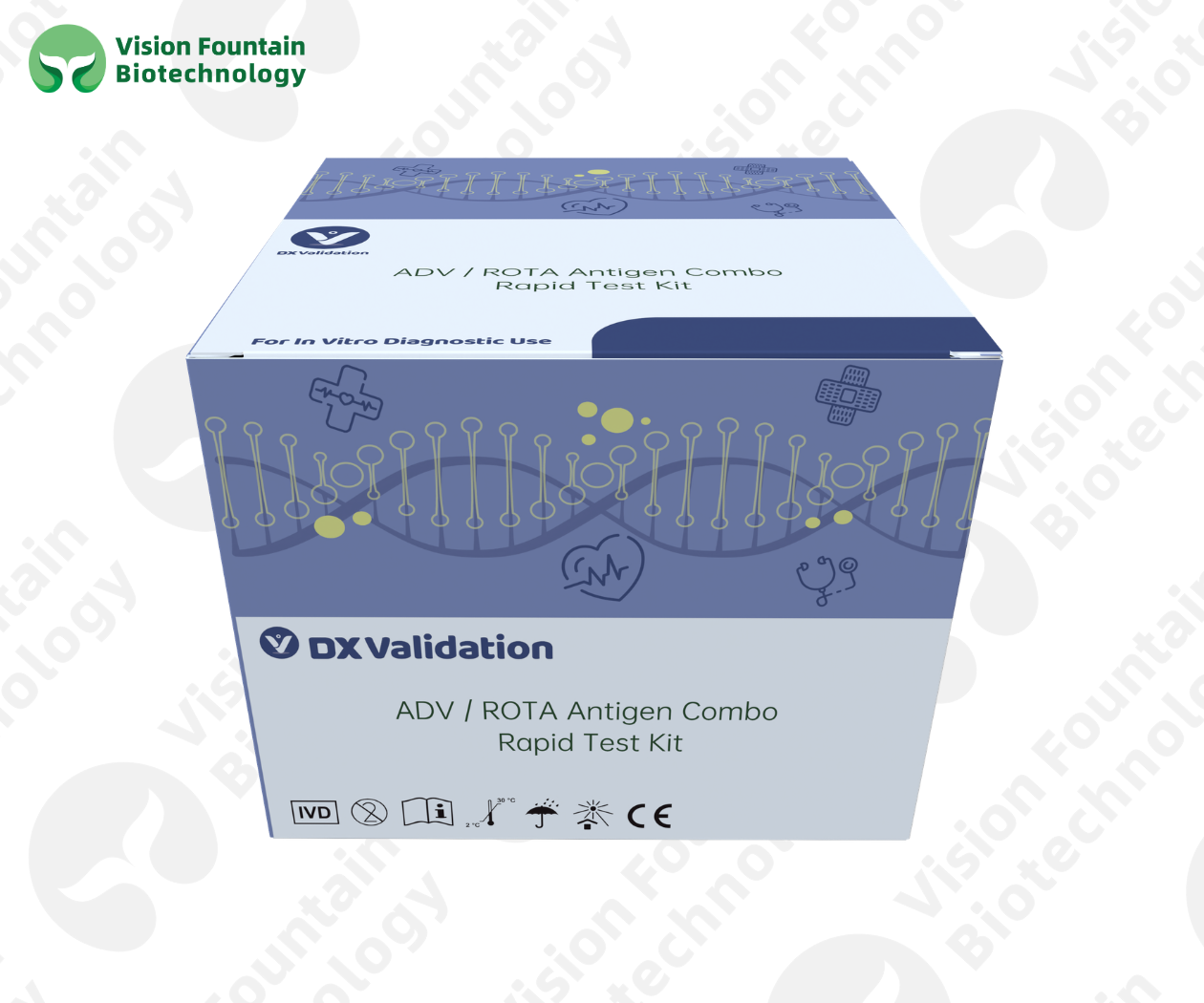
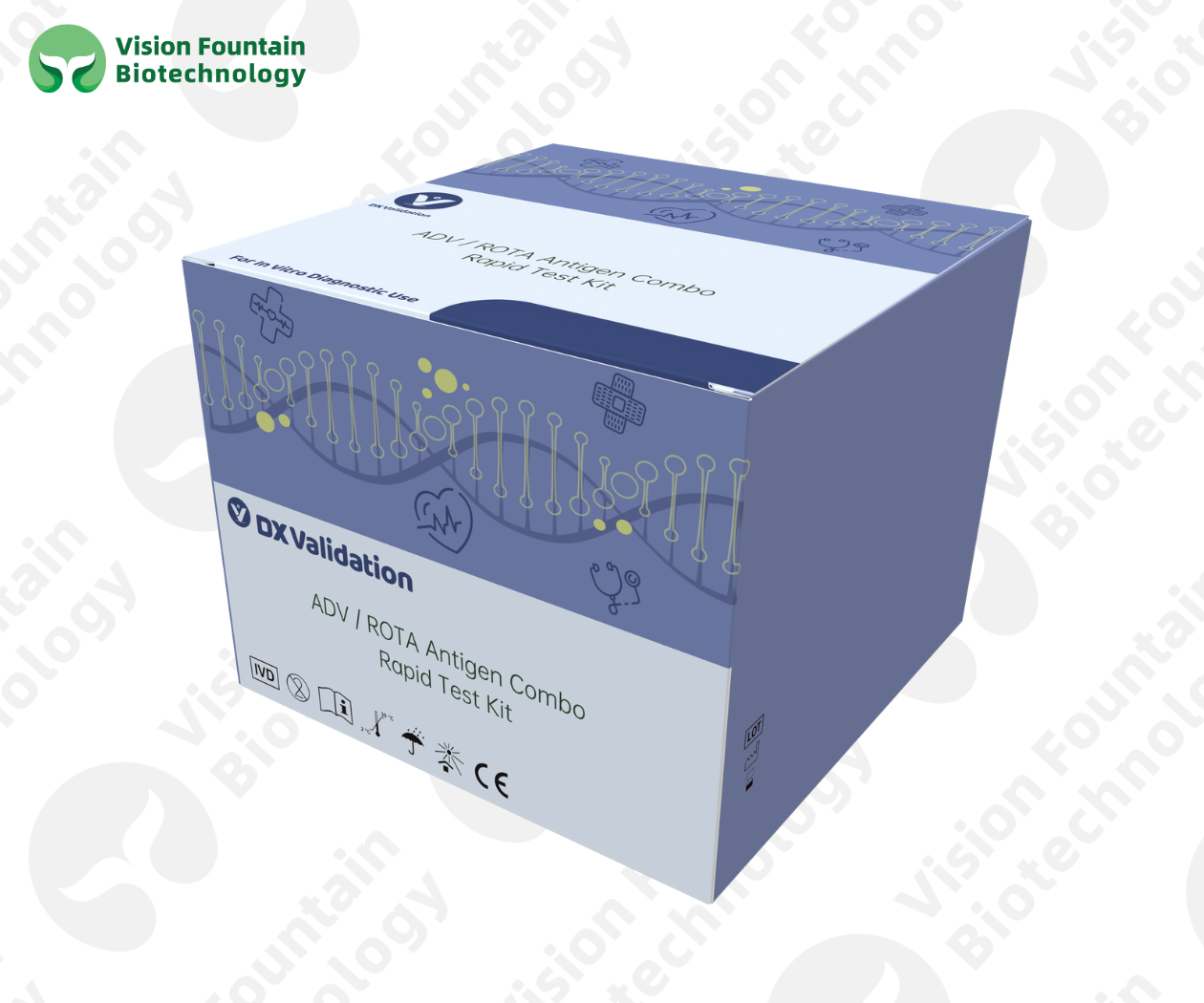
| Package | 1T/Box, 5T/Box, 25T/Box |
| Content | Tese device, Buffer, Specimen Collector |
INTENDED USE
Rota/Adeno Rapid Test Kit is an in vitro qualitative immunochromatographic assay for the rapid detection of adeno & rota virus antigens in human stool specimen. The test results are intended to aid in the diagnosis of rota virus infection and to monitor the effectiveness of therapeutic treatment.
INTRODUCTION
Rota virus is the primary causative agent of pediatric gastroenteritis and diarrhea worldwide. The improvement of food, water, and hygiene has done nothing to decrease the incidence of rota virus disease. Almost every child on the planet may get infected by age 5. Scientists say that families of the 900,000 young children around the world who die each year from rota viruses. Many of them get it between December and April in the temperate climates of the northern hemisphere. Most of these deaths occur in developing countries. The infection usually begins with a fever. Soon the little one begins to vomit and has a nasty tummy-ache. The vomiting goes away, followed by watery diarrhea that lasts from 3 to 9 days. Most of the time, kids recover with little difficulty. Sometimes, severe dehydration results. The extreme dehydration that can be caused by rota viruses is second only to the dehy- dration caused by cholera. The infection starts suddenly and lasts for an average of four to six days. Rota viruses are extremely contagious. Only a very few particles are needed to transmit infection. They originate in the stool, but are found through- out the environment wherever young children spend much time, especially during the winter months. They are resistant to disinfectants used to clean surfaces and to anti-bacterial hand-washing agents. Rota virus particles remain active on human hands for at least 4 hours, on hard dry surfaces for 10 days, and on wet areas for weeks. Untreated, rota virus infection may result in severe illness with dehydration and disturbances of the body’ s normal electrolyte balance, especially in babies and preschool children. Rota virus is the cause of up to 50% of the hospitalized cases of diarrheal illness in infants and young children. Rota virus induced dehydration is a major cause of infant morbidity in both developed and underdeveloped countries, and a major cause of infant mortality in the developing countries. The highest preva- lence of the disease is experienced in temperate climates during the cooler months of the year. In tropical climates, rota virus infection can occur all year round. The age groups most susceptible to the disease are that of infants and children.
PRINCIPLE
Adeno virus is the second most common cause of viral gastro-enteritis in Children (10-15%). This virus may also cause respiratory diseases and, depending on the serotype, also diarrhea, conjunctivitis, cystitis, etc. At lease 47 serotypes of adenovi- rus have been described, all sharing a common hexon antigen. Serotypes 40 and 41 are the ones associated with gastro-enteritis. The main syndrome is diarrhea that may last between 9 and 12 days associated with fever and vomits.
Rota/Adeno Rapid Test Kit is a sandwich solid phase immunochromatographic assay. To perform the test, an aliquot of diluted stool sample is added to the sample well of the test cassette. The sample flows through a pad containing antibodies against adeno virus and rota virus coupled to red-colored colloidal gold. If the sample contains adeno virus or rota virus antigens, the antigen will bind to the antibody coated on the colloidal gold particles to form antigen-antibody-gold com- plexes. These complexes move on the nitrocellulose membrane by capillary action toward the test line region on which adeno virus and rota virus specific antibodies are immobilized separately. As the complexes reach the test line, they will bind to the antibody corresponding to the virus on the membrane to form of a line. A red control line will always appear in the result window to indicate that the test has been correctly performed and the test device functions properly. If virus is not present or lower than the detection limit of the test, only the control line will be visible. If the control line dose not developed, the test is invalid.
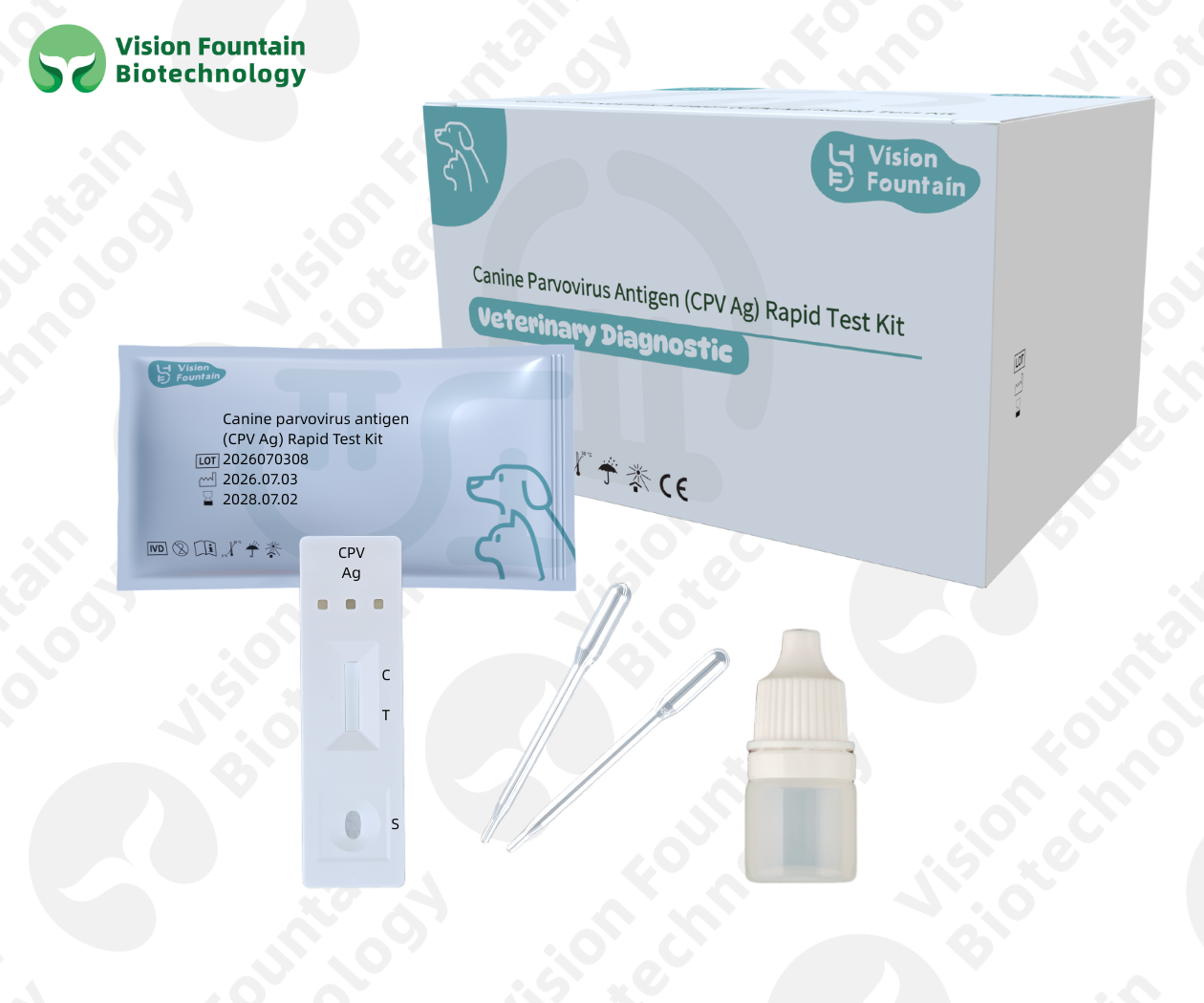
Certificate: N/A
The CPV Antigen Rapid Test Device is a lateral flow immunochromatographic assay for the qualitative detection of Canine Parvovirus antigens (CPV Ag) in dog’s feces or vomit.
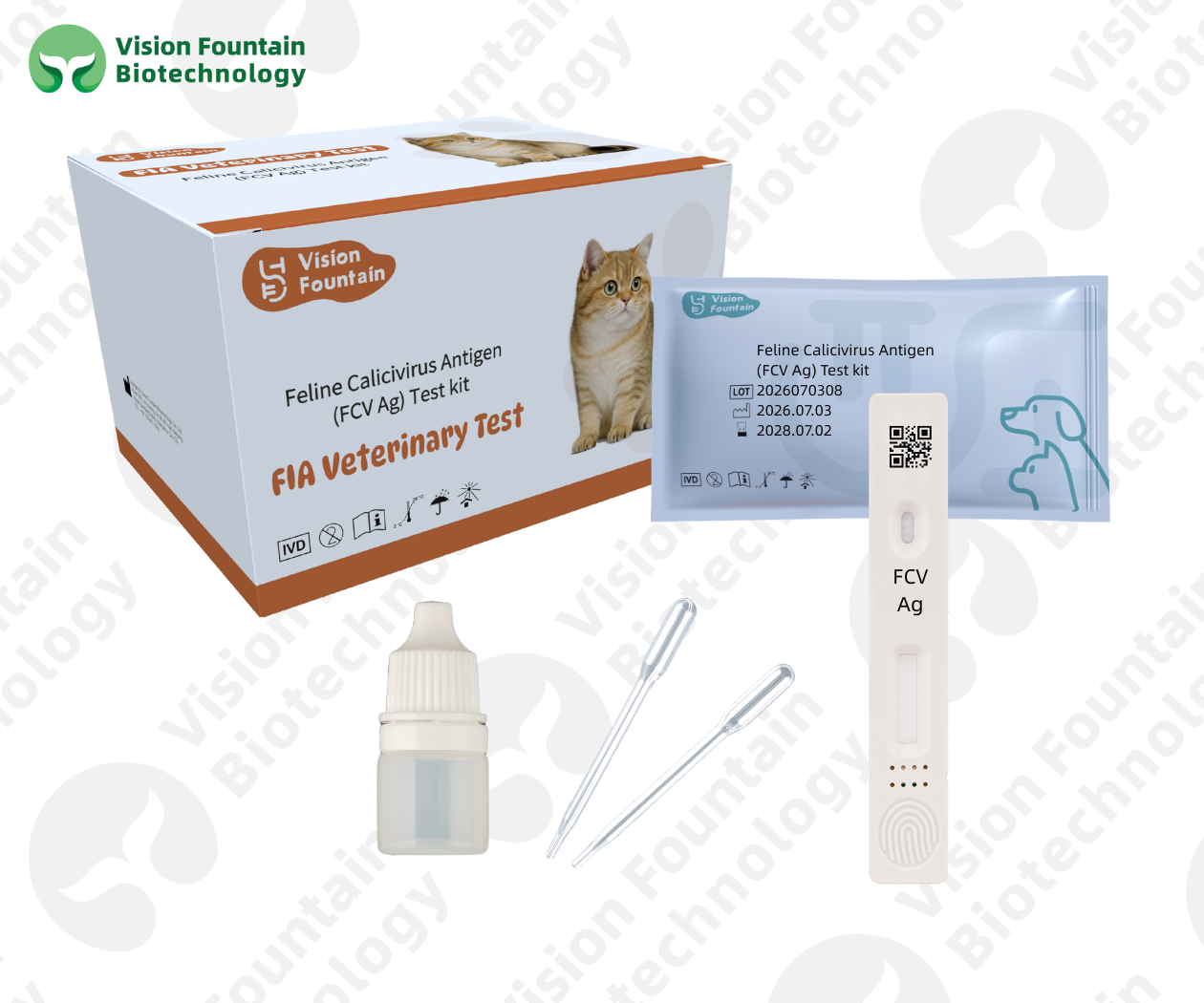
Certificate: N/A
Feline Calicivirus Antigen Rapid Quantitative Test is a fluorescence immunoassay used with the FIA Immunoassay Analyser for the quantitative determination of FCV Ag concentration in feline nasopharyngeal secretions, ocular secretions.
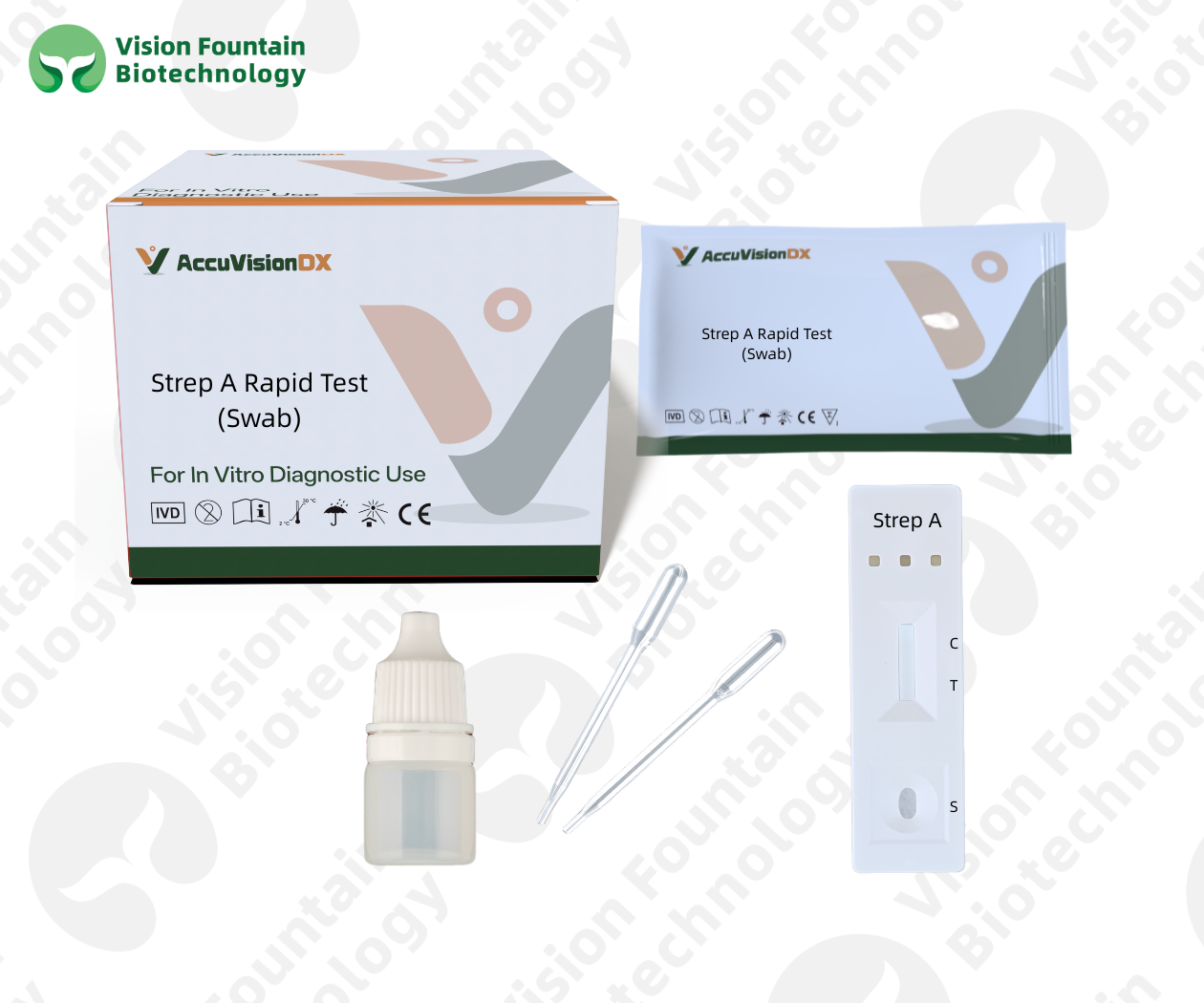
Certificate: Europ CE IVDR,self-testing
The Strep A Rapid Test Kit is a lateral flow chromatographic immunoassay for the qualitative detection of Strep A in human swab (oropharyngeal swab, nasopharyngeal swabs and Anterior nasal swab). It is suitable for the auxiliary diagnosis of Group A Streptococcal infection infection.